Plumbing problems arrive with no regard for schedules, and in Sandpoint they show up at inconvenient times: a frozen line after a bitter winter night, a slow sink before guests arrive, or a leaking toilet the morning of a weekend trip. Knowing a handful of reliable tools and when to use them saves time, money, and stress. It also helps you decide quickly when the job is beyond a few swings of a wrench and you should contact a local professional, whether that is a plumber in Sandpoint ID or a plumber company in Sandpoint you trust, such as Believe Plumbing.
This piece lays out the essential tools I recommend to homeowners, explains what each does in practice, and gives realistic judgment calls from field experience. I’ll be candid about limitations, safety, and common mistakes. If you keep the right tools and a little know-how, you can handle many routine problems and avoid expensive follow-on damage.
Why owning tools matters in Sandpoint
Sandpoint’s climate pushes plumbing components. Winters drop temperatures low enough to stress exposed pipes, mountain water can carry sediment that accelerates valve wear, and older cottages downtown often have mixed plumbing materials that require care when tightening or cutting. You can prevent dozens of calls to a plumber in Sandpoint by spotting problems early and acting with the right tool.
On the flip side, a wrong tool or a botched repair creates larger problems: overtightened compression fittings that crack, PVC joints glued improperly, or hairline fractures in copper from excessive wrench torque. The guidance below focuses on durable, forgiving tools that reduce the chance of accidental damage and are genuinely useful for the types of issues Sandpoint homeowners face.
Five tools that repay their cost quickly
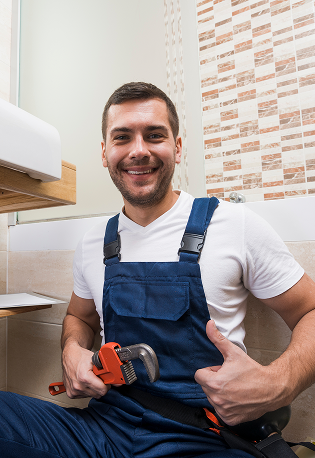
Adjustable wrench, 6-12 inch An adjustable wrench is the single most versatile hand tool for plumbing tasks around the house. Use it to loosen or tighten supply line nuts under sinks, adjust packing nuts on older faucets, or hold fittings while you turn another tool. I recommend keeping two sizes, a 6-inch for tight cabinet spaces and a 10 to 12-inch for bathroom and outdoor work. Look for one with a smooth jaw finish to avoid marring brass or chrome fixtures. If a nut slips, swap to a proper-sized box wrench rather than cranking harder; damaged hex flats are what bring homeowners to a plumber company in Sandpoint.
Basin wrench A basin wrench is specialized for a reason. It reaches up behind sinks to access faucet mounting nuts that are otherwise impossible to grip. There’s nothing more frustrating than attempting to loosen a corroded faucet nut with an adjustable wrench and not making progress. A quality basin wrench has a spring-loaded jaw and long handle so you can get leverage in a cramped cabinet. Expect to save an hour on a faucet replacement if you own this tool, and you’ll avoid the temptation to remove the sink just to get access.
Tongue-and-groove pliers (channel locks) Tongue-and-groove pliers, often called channel locks, are the go-to for many in-the-moment plumbing fixes. They adjust across several widths, grip pipe fittings, and can manipulate shutoff valves that are stiff from mineral deposits. For Sandpoint homes near the lake, mineral buildup on outdoor spigots is common; these pliers provide the control to get them moving. Don’t use them on polished chrome without protection; wrap a rag around the fitting to prevent scratches.
Plumber’s snake (hand auger), 25 to 50 feet for main lines, 15 feet for sinks Clogged drains are the most frequent call for both DIYers and professionals. A hand auger clears hair and organic clogs quickly without the corrosive effects of chemical drain cleaners. For bathroom sinks and tubs, a 15-foot hand auger handles most blockages. For tougher kitchen or mainline clogs consider a 25 to 50-foot model. If you run into tree root intrusion or repeated deep clogs, you need a professional rooter service from a plumber in Sandpoint, but a hand auger solves the majority of everyday obstructions.
Tube cutter and quality tubing wrench For copper or PVC work a tubing cutter yields clean, square cuts that fit well into fittings, which prevents leaks. A tubing cutter is quicker and cleaner than a hacksaw and protects the pipe from burrs if you ream the edges afterward. Pair this with a small set of tubing wrenches for compression fittings. When replacing a section of pipe or installing a new valve, those precise cuts and wrenches make the difference between a reliable joint and persistent drips. If you are planning soldering, add a small propane torch and remember to follow strict safety practices.
When to attempt a repair, and when to call a pro
Plumbing competence is a spectrum. Some repairs are safe and cost-effective for most homeowners, while others merit immediate professional attention. Here are practical rules I use before picking up tools.
- Attempt it yourself when the problem is limited, visible, and involves accessible fittings. Examples include replacing a leaky faucet cartridge, unclogging a sink trap under a sink, or swapping a garden hose bib. These tasks typically require only the tools listed above and less than two hours. Call a plumber in Sandpoint ID when the leak originates behind walls, under floors, or from the ceiling, or when you cannot isolate the water supply. Hidden leaks often indicate larger failures that cause structural damage quickly, especially with cold climates that create freezing and thawing cycles. Hire a professional when gas appliances or water heaters are involved. Water heater repairs, gas connections, and any job requiring permits should be handled by a licensed plumber Sandpoint residents can vouch for. Believe Plumbing and other local companies can handle code compliance, pressure testing, and safe installation.
A three-point checklist to decide quickly
Can you shut off the water to the affected fixture or the house main? If no, stop and call a plumber. Is the problem confined to a visible joint, trap, or fixture you can access in a cabinet or outside? If yes, a DIY repair is reasonable. Does the repair involve soldering, gas, or structural piping inside walls or ceilings? If yes, call a licensed plumber in Sandpoint.How to use these tools: practical steps and common pitfalls
Replacing a leaky shutoff valve under a sink is a task many homeowners can complete in 30 to 60 minutes. Shut off the house or fixture supply, open the faucet to relieve pressure, place a small bucket under the valve, and use the adjustable wrench to loosen the supply nut. Then remove the valve with the channel locks and install the new one, using the tubing wrench for a snug, but not over-tightened, fit. Tighten until snug, then a quarter turn. Turn the water back on slowly and check for leaks. If the fitting starts to weep after a few hours, small adjustments may cure it, but persistent leaks mean you should call a plumber company in Sandpoint for a proper thread seal or replacement.
When clearing a tub or sink clog with a hand auger, feed the cable slowly and rotate the handle clockwise; that tends to snag hair and pull it free. Avoid forcing the cable, which can damage pop-up mechanisms or scratch enamel fixtures. After you feel resistance, crank gently until the clog breaks up, withdraw the cable, and run hot water to Plumber Sandpoint ID Believe Plumbing flush residue. If after two attempts you still have slow drainage, stop and get professional help, because continued force can push debris into the trap and make the clog worse.
For outdoor spigots that leak when the weather warms, first try tightening the packing nut slightly with an adjustable wrench. If you replace the packing and the leak persists, it may be the seat inside the valve or a corroded stem, in which case a replacement is sensible. If the spigot is frozen in place or the wall around it shows signs of damage, call a plumber Sandpoint homeowners trust. Replacing an outdoor faucet can require cutting and soldering pipe or re-routing inside tubing, and sloppy work leads to future leaks and freeze damage.
Safety, materials, and what to avoid
Safety matters. Always turn off water and relieve pressure before working on any pressurized lines. Wear eye protection when cutting or soldering. For PVC, work only with approved primer and cement, in a well-ventilated area. For soldering, keep a fire extinguisher close by and remove flammable materials. When in doubt about gas or combined plumbing and gas work, do not proceed; contact a licensed plumber in Sandpoint for safe, code-compliant service.
Materials choice matters too. Copper remains common in older Sandpoint homes, but many properties now use PEX or CPVC for ease of installation and freeze resistance. PEX is forgiving for many DIY projects; it uses crimp rings or push-to-connect fittings that are straightforward. When using PEX, invest in a proper crimping tool, or choose the push-fit fittings that do not require crimping. Using the wrong fittings on copper Plumber in Sandpoint ID or mixing metals without dielectric unions invites galvanic corrosion and leaks. If you discover mixed piping and corrosion, call a plumber company in Sandpoint for an inspection and a plan, because the long-term fix often involves replacing sections of piping.
Buying and storing tools: practical tips
Buy tools that feel sturdy. Mid-range brands often provide the best balance of cost and longevity. Keep tools organized in a small rolling toolbox or wall panel in a garage or closet, and label where the plumbing tools live. Dry, temperature-controlled storage prolongs tool life; Sandpoint’s humidity near the lake can accelerate rust if tools sit wet. Replace worn jaw inserts on adjustable wrenches and keep plumber’s putty, Teflon tape, and silicone sealant on hand.
When to build a relationship with a local plumber
There are three compelling reasons to develop a relationship with a plumber in Sandpoint ID or a plumber company in Sandpoint such as Believe Plumbing. First, during an emergency, you want a familiar contractor who knows your house, the local codes, and the common issues in your neighborhood. Second, a pro who has seen your system can provide preventative recommendations specific to your home, such as insulating vulnerable runs or replacing old shutoff valves before they fail. Third, for larger upgrades, like replacing an aging water heater or repiping, having a preferred plumber speeds permit filings and schedules.
If you are interviewing a plumber, ask about licensing, insurance, references in Sandpoint neighborhoods, their experience with local water conditions, and whether they provide written estimates. A reputable plumber will welcome questions and explain the trade-offs between different materials and approaches.
Repair vs. Replacement: trade-offs to consider
When a fixture or pipe fails, decide between repair and replacement by considering age, material, and the cost of recurring service. Fixing a decades-old faucet may be cheap now but if the fixture is corroded in multiple places, replacement might be more economical over five years. Similarly, a recurring small leak in an older copper line sometimes points to systemic corrosion; replacing a section with PEX may be the prudent choice, even if the immediate repair is affordable. A local plumber Sandpoint homeowners trust can give a cost-benefit assessment based on inspection.
Final persuasion: invest a little training and the right tools
A modest toolbox and some practical experience deliver outsized value. For a homeowner, owning the five tools above covers 80 percent of routine plumbing tasks you will face. Learn one repair at a time, start with non-pressurized jobs, and practice cautious judgment. When a job gets into hidden areas, gas, or structural piping, call a professional. A prompt call to a plumber in Sandpoint or a trusted plumber company in Sandpoint prevents small problems from becoming catastrophic.
If you need a referral in Sandpoint, consider calling a licensed team like Believe Plumbing for an estimate, routine maintenance, or emergency service. They know local houses, seasonal risks, and how to work efficiently in tight lakefront and mountain homes.
Keep basic supplies on hand, learn to use the tools carefully, and let professionals handle the risks you do not want to assume. That approach keeps your house dry, your fixtures working, and your weekends free.
Believe Plumbing
819 US-2, Sandpoint, ID 83864
+1 (208) 690-4948
[email protected]
Website: https://callbelieveplumbing.com/